
From detection to control
High hypertension control rates remain out of reach because patients slip through cracks across the entire care journey. When unconfirmed readings go unaddressed, individuals disappear from care. Uncontrolled blood pressure reflects an operational delivery failure that drives up patient risk and long-term financial expenditure.

22 July 2026
14 min read
If hypertension is common, measurable and treatable, why do so many patients still have uncontrolled blood pressure?
Drug shortages, diagnostic challenges or a lack of treatment guidelines are not the likely answers. [2,3,6]
Control rates are low because patients are lost at multiple points on the care path that starts at risk and detection and that is supposed to sustain long-term control.
A raised reading is not confirmed. Risk reduction and patient education are weak. Treatment is not started in time. Follow-up is poor. Intensification is delayed. Home monitoring generates numbers but no action. Patients who no longer fit the routine pathway stay on it too long. [1,3,7]
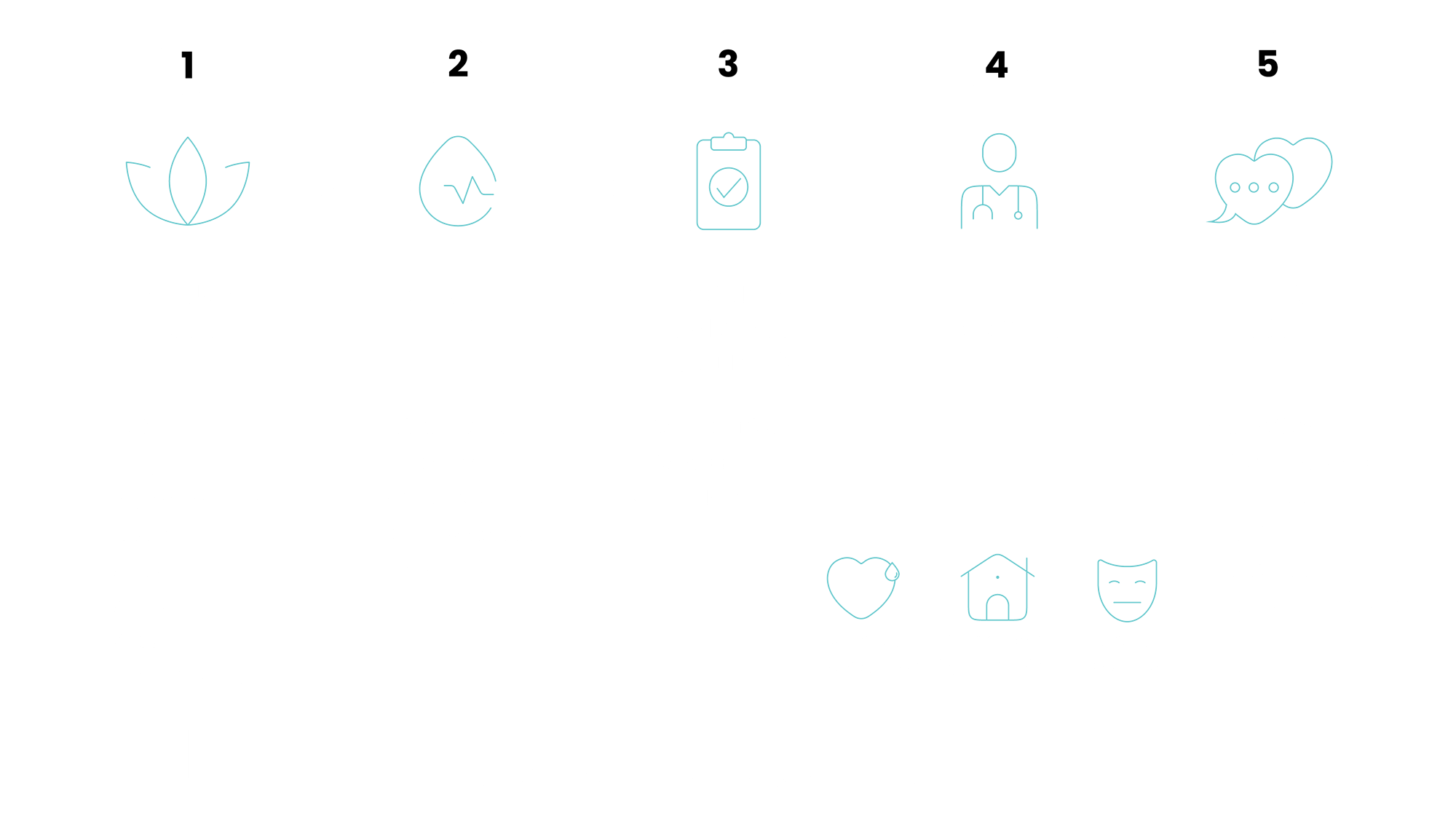
Figure 1. The front end of hypertension control. Risk reduction, routine blood pressure measurement, confirmation of abnormal readings and reliable linkage to follow-up all need to happen before long-term control can be achieved.
The same care cascade introduced in Article 2 is a useful way of seeing these losses. In its basic form, it follows a population from having hypertension to diagnosis, treatment and control. Expanded versions add screening, linkage to quality care, persistence and adequate monitoring. It shows not only how many people reach control, but also where people remain undiagnosed, untreated, uncontrolled or lost from view. [1]
National (public sector) data make the point. Control among adults with incident hypertension improved between 2011 and 2017 but still reached only about one in five. This is a story of weak execution rather than scientific uncertainty. [1]
Each leak has a cost. A patient lost early in the cascade may appear inexpensive for a time while blood pressure is untreated or under-treated. The eventual return is far more costly: stroke, heart failure, chronic kidney disease, disability and avoidable healthcare utilisation. Each break in the pathway is a cost-of-poor-quality point. [11]
In a South African public-sector cost-of-illness analysis using 2020 costs, a routine check-up was estimated at R229, compared with R17,500 for a hypertensive emergency, R23,900 for an acute stroke, and more than R300,000 annually for dialysis. These figures are not private-sector prices, but they illustrate the downstream cost gradient: small upstream failures can end in very expensive complications. [11]
Finding people with hypertension
The first loss point is failure to identify risk and elevated blood pressure early enough or failing to take an abnormal reading seriously. [1,2]
This is where prevention, lifestyle support and patient education enter the pathway. Excess salt intake, excess weight, physical inactivity, alcohol use, smoking, poor sleep, stress and broader metabolic risk all contribute. A strong system front end combines risk reduction, routine measurement, confirmation of abnormal readings and a defined route to follow-up.
Lifestyle advice alone is not enough. Patients at risk need a reliable path from a blood pressure reading to confirmation, diagnosis and follow-up. [2,3,6]
Some patients appear hypertensive in the clinic but not outside it: white-coat hypertension. Others appear normal in the clinic but are hypertensive in daily life: masked hypertension. Repeat measurement and out-of-office confirmation should therefore be built into ordinary care, not treated as optional extras. [2,6]
Because hypertension is usually silent in its early stages, people often feel well and continue their normal daily life. Waiting for symptoms is therefore a poor strategy. By the time symptoms appear, the patient may already have end-organ damage to kidneys, heart, brain and blood vessels. [2,6]
Better healthcare systems respond by making blood pressure measurement routine in primary care and by using other access points where appropriate. Hypertension does not require exotic screening technology. Ordinary measurement, done properly and linked to a pathway, is usually enough. [2,3,7]
 Starting treatment
The second major loss point is treatment initiation. [1]
Some patients with high blood pressure are not started promptly on treatment. Others are started on needlessly complicated regimens. Some are told to “watch it” for too long without a structured plan. In other cases, lifestyle advice and medication are framed as alternatives, as though one excludes the other. [2,3,7]
Lifestyle intervention should begin early and continue throughout. Practical support around salt intake, body weight, physical activity, alcohol, smoking, sleep and overall cardiovascular risk belongs in care from the start. But lifestyle advice is not an excuse for therapeutic delay. When medication is indicated, it should be started. [2,6]
Large-scale programmes tend to converge on standard treatment protocols. These tend to reduce unnecessary variation, simplify training and procurement, support task-sharing, and makes it easier for a distributed workforce to act consistently. For a common condition like hypertension, consultation-by-consultation variation does not scale well. [3,4,7]
Simplifying treatment and intensifying quickly
Starting treatment is only one step. Sustained control depends on what happens next.
Many patients have blood pressure that stays uncontrolled because the care pathway is too slow and cumbersome. Regimens become unnecessarily complex. Follow-up intervals stretch out. Dose increases happen late. Additional agents are added too slowly. The result is months or years of therapeutic delay. In hypertension, delay is risk. [4,5,7]
Clinical inertia is the failure to intensify treatment when blood pressure stays above target. It is one of the major hidden barriers to control. In many settings, treatment is left unchanged even when control is poor. It is often easier to wait for another visit than to change treatment now. Again, delay is not benign. [5,13]
Better programmes tend to start simply and intensify more quickly. Fixed-dose combinations and single-pill approaches reduce the burden for patients and clinicians: fewer pills, simpler instructions and a more manageable long-term pathway. [4,6]
Simple does not mean simplistic. Comorbidities, kidney function, pregnancy risk, adverse effects, contraindications and drug interactions are important. The routine pathway should be simple enough for most patients while making it clear when individualisation or escalation is needed.
This is also where multimorbidity complicates treatment. Many patients with hypertension also have diabetes, chronic kidney disease, cardiovascular disease, obesity or dyslipidaemia. Treatment pathways must therefore simplify routine care without ignoring comorbidities and medication interactions.
The aim is to achieve control before years of exposure evolve into cardiovascular or renal disease.
 Building follow-up capacity
The fourth major loss point is follow-up.
A series of infrequent and disconnected visits will not reliably control a chronic condition. If the patient does not return, if nobody notices refill gaps, if elevated blood pressure is seen but not acted on, or if every encounter starts from scratch, control is left largely to chance. [3,7]
Better-performing systems know who has hypertension, who is uncontrolled, whose treatment has gaps, and who may need escalation or referral. This usually requires registries, reminders, recall systems, refill tracking, outreach and some degree of team-based support. [7,12]
GPs are at the centre of hypertension diagnosis, interpretation, prescribing, intensification and referral. But GP-led care works better in combination with nurses, pharmacists, assistants, community-based workers and practical tools for continuity. [2,3,7]
This is also where multimorbidity complicates the picture. Many patients with hypertension are juggling several conditions. Competing appointments, medicines, symptoms and priorities increase the likelihood of drop-out and treatment fatigue. That is one reason hypertension control cannot be separated from the overall chronic care model.
Monitoring control
The fifth major loss point is monitoring control in a way that actually changes care. [1,7]
Many healthcare systems can report treatment activity. They know what was prescribed, dispensed or authorised. They are much less able to report whether blood pressure is actually controlled. The distinction is critical. A system that sees activity but not control is only partially sighted.
Self-measured blood pressure can help substantially, especially when it is linked to clinical support for review, coaching, titration and follow-up. It helps confirm diagnosis, distinguish white-coat from sustained hypertension, detect poor control between visits and reduce clinical inertia. [6,7]
Handing a patient a device and hoping for the best does not work very well. A home blood pressure cuff is not on its own a programme. Nor is a stream of incoming numbers that nobody uses. Measurement without action is not an improvement over no measurement at all.
Newer cuffless wearable devices add another possibility. They may make repeated out-of-office measurement easier and more acceptable for some users, and they may help with trend tracking and engagement. For now, however, they are an adjunct rather than a replacement for validated cuff-based measurement in formal diagnosis and treatment decisions. Their value depends on whether they reliably improve what happens next. [10]
Escalating when needed
The final major loss point is escalation. [1]
Some patients need more than routine primary care follow-up. They have resistant hypertension, chronic kidney disease, marked cardiovascular risk, repeated non-control despite treatment, or a possible secondary cause of hypertension. Most secondary causes are rare, but they are important and potentially dangerous. [2,6]
The problem with routine care is that momentum is often lost at this point. Referral criteria may be vague, responsibility may be diffused, and patients who no longer fit the standard pathway may stay in it too long.
Better models are designed to handle this. They include triggers for review, investigation, medication intensification, specialist input and referral. This does not mean specialist care for everyone. It means recognising when the usual pathway is no longer adequate. [2,3,7]
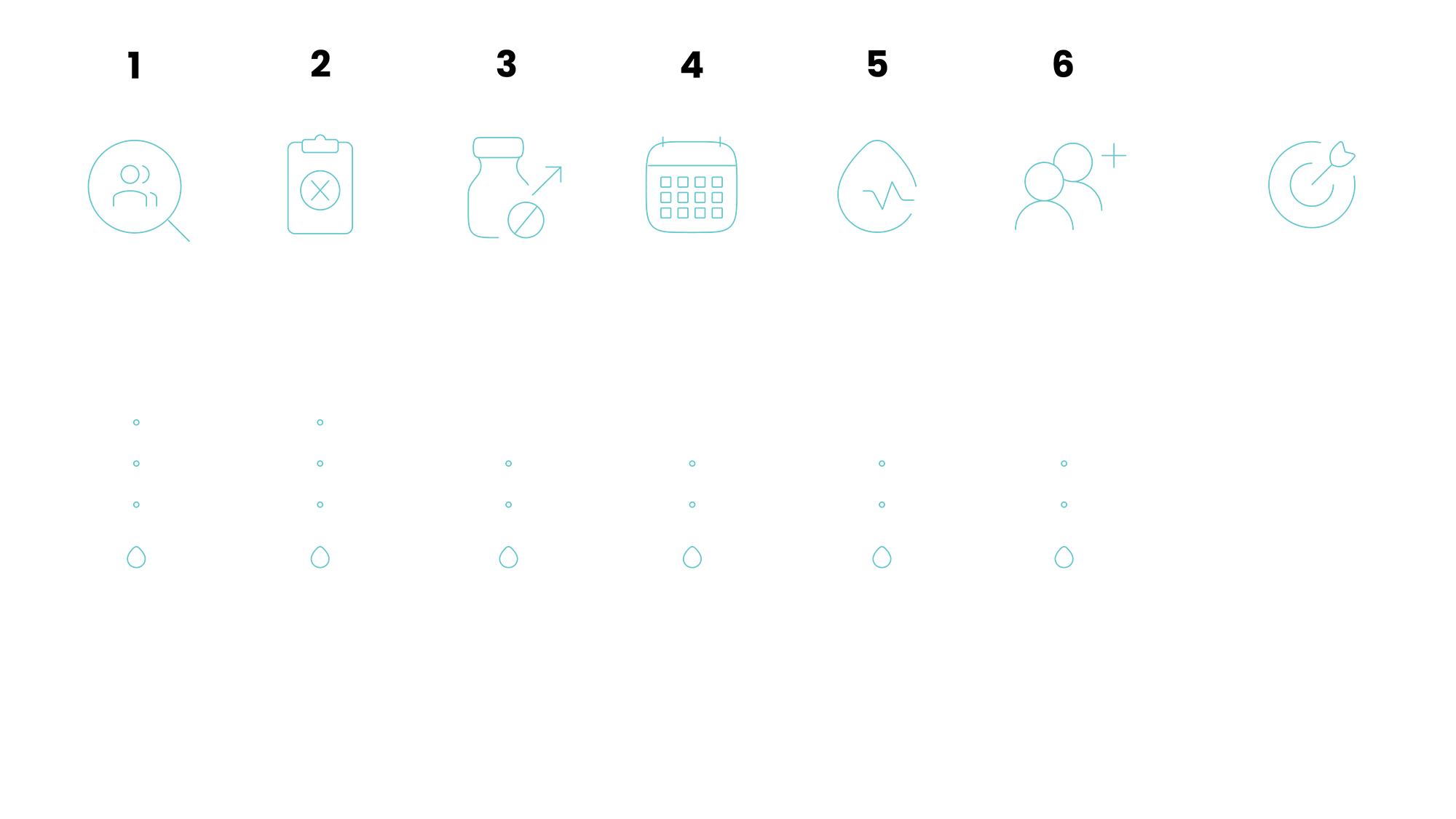
Figure 2. Six common loss points in hypertension care. Blood pressure control depends on each step reliably leading to the next; failure at any point can leave patients uncontrolled or lost from view.
What scalable programmes tend to do
Successful large programmes tend to converge on the same principles: standard treatment protocols, simpler regimens, lifestyle support, team-based follow-up, self-measured blood pressure linked to action, registry-based continuity, and performance feedback at clinician or site level. [3,4,7,12]
They do not treat hypertension as a mysterious specialist problem. They treat it as a chronic care delivery challenge. Their success lies less in dramatic new discoveries than in making ordinary care more reliable.
In Kaiser Permanente Northern California, blood pressure control improved from about 44% to 90% over 13 years when registry-based follow-up, standard protocols, simpler treatment approaches and team-based workflows were built into routine care. [12]
Recent local evidence strengthens the case for supported and decentralised care. In the 2025 IMPACT-BP trial in rural KwaZulu-Natal, home-based care delivered by community health workers and supported by remote nurses achieved substantially better six-month control than standard clinic-based care. The lesson is not that every patient should be managed at home. It is that when the pathway is easier to navigate and follow-up becomes more active, performance can improve sharply. [8,9]
The bigger lesson is that uncontrolled hypertension reflects a delivery problem more than a knowledge problem. It involves prevention, lifestyle support, continuity, monitoring, timely intensification, recognition of complexity and sensible escalation. And because hypertension so often accompanies multimorbidity, it is difficult to address well in a fragmented environment that treats each condition as a separate vertical.
This leads to the next question: what does better hypertension care look like when these elements are built into routine practice?
That is the subject of article 4.
References
[1] Benade M, et al. Health systems performance for hypertension control using a care cascade approach in South Africa, 2008–2017. https://journals.plos.org/globalpublichealth/article?id=10.1371/journal.pgph.0002055
[2] South African Primary Care Cardiovascular Disease Risk Management Clinical Practice Guideline. https://extranet.who.int/ncdccs/Data/SAU_NCD_CMR_CPG_Book_2021.pdf
[3] WHO HEARTS technical package for cardiovascular disease management in primary care. https://www.who.int/publications/i/item/WHO-NMH-NVI-18-14
[4] PAHO HEARTS clinical pathways and standardised hypertension treatment protocols. https://www.paho.org/en/hearts-americas/hypertension-clinical-pathways
[5] van der Linden EL, et al. Hypertension control in sub-Saharan Africa: clinical inertia is another elephant in the room. J Clin Hypertens 2020 Jun;22(6):959-961. Available at: https://pubmed.ncbi.nlm.nih.gov/32431011/
[6] WHO Guideline for the pharmacological treatment of hypertension in adults. Available at: https://www.who.int/publications/i/item/9789240033986
[7] Million Hearts Hypertension Control Change Package. Available at: https://millionhearts.hhs.gov/tools-protocols/action-guides/htn-change-package/index.html
[8] Siedner MJ, et al. Home-based care for hypertension in rural South Africa. N Engl J Med 2025 Oct 2;393(13):1304-1314. Available at: https://pubmed.ncbi.nlm.nih.gov/40888742/
[9] European Society of Cardiology press summary of IMPACT-BP. https://www.escardio.org/news/press/press-releases/Home-based-hypertension-care-is-effective-in-rural-South-Africa/
[10] AHA scientific statement on cuffless devices for blood pressure measurement. Hypertension 2025 Volume 83, Number 3. Available at: https://www.ahajournals.org/doi/10.1161/HYP.0000000000000254
[11] Kohli-Lynch CN, et al. Hypertension in the South African public healthcare system: a cost-of-illness and burden of disease study. BMJ Open 2022 Feb 22;12(2):e055621. Available at: https://pubmed.ncbi.nlm.nih.gov/35193918/
[12] Jaffe MG, Young JD. The Kaiser Permanente Northern California story: improving hypertension control from 44% to 90% in 13 years (2000 to 2013). J Clin Hypertens 2016 Apr;18(4):260-1. Available at: https://pubmed.ncbi.nlm.nih.gov/26939059/
[13] Hypertension control in sub‐Saharan Africa: Clinical inertia is another elephant in the room. https://pmc.ncbi.nlm.nih.gov/articles/PMC7383612/
Get an email whenever we publish a new thought piece
Respondents are mostly medical schemes and insurers (46%) and providers, clinicians and managed care (19%). Nine in ten are based in South Africa, the rest in regional countries. Survey
3.9 min read

Some statistics worth examining Traditional medicine is an important component of African health systems yet surprisingly little is known about the true extent to which people use these services. In South
11.2 min read

Meet our experts
Author
More Insights
Focused Thought Pieces